-
Training and exam preparation: What to expect as an ACRRM registrar
Oct 26, 2026What to expect from ACRRM Fellowship assessment, including miniCEX, MSF, the MCQ, CBD and StAMPS, with eligibility and preparation guidance for each. -
Soft skills in rural generalism: How they make a difference
Sep 29, 2026Soft skills shape rural care. Learn how communication, trust and patient relationships drive rural generalism, and how ACRRM trains rural doctors in them. -
Rural Generalists and the future of health care: Trends and innovations
Sep 29, 2026How are Rural Generalists shaping the future of health care? Explore the technology, AI and innovations transforming rural practice, and what comes next. -
How to choose your advanced skills in Rural Generalism
Sep 29, 2026Choosing an AST discipline? Compare all 12 ACRRM Advanced Specialised Training options, weigh the benefits, and find the advanced skill that fits your career. -
When the retrieval helicopter arrives
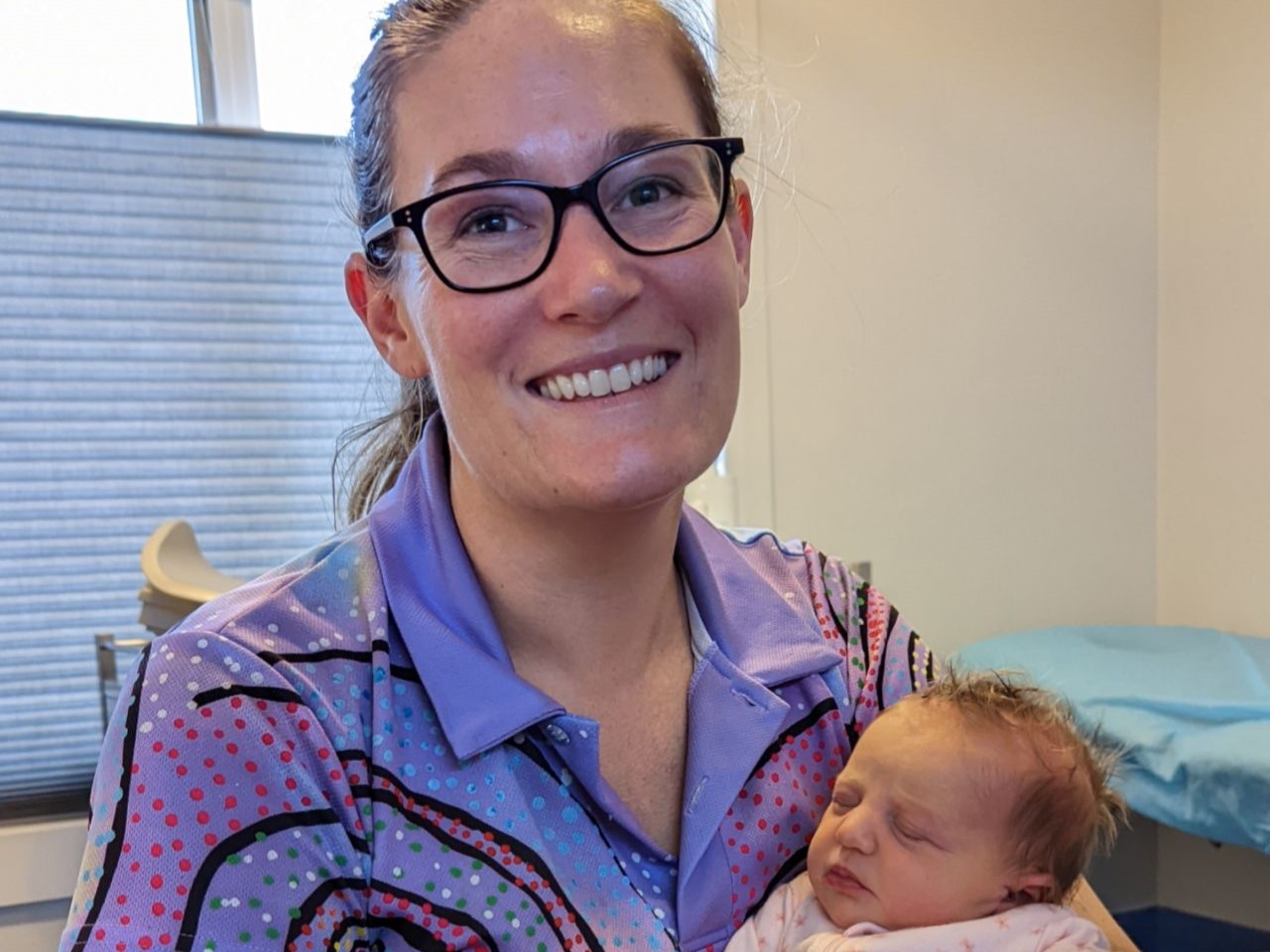
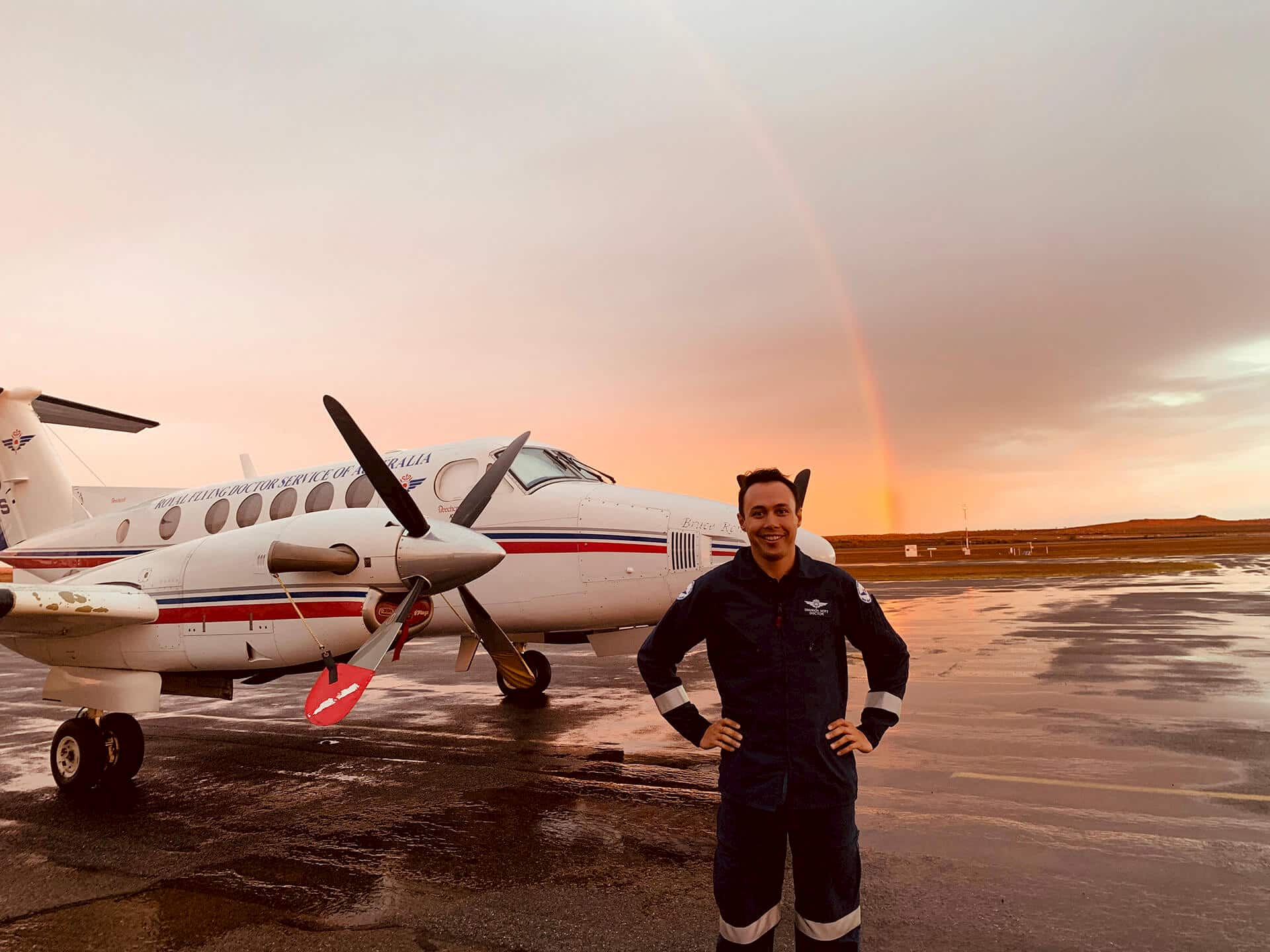
Sep 14, 2026There's a sound that brings enormous relief to a Rural Generalist working in a remote hospital: the sound of the retrieval helicopter arriving. For Dr Grace Maano, a locum Rural Generalist Obstetrician who has worked across some of Australia's most remote communities, that sound carries something even deeper. -
Beyond primary care: Building a portfolio career as a Rural Generalist
Jun 8, 2026Think primary care means coughs and colds forever? Rural Generalists (RGs) have been quietly building some of the most varied and rewarding careers in medicine. Here's how. -
Your earning potential as a FACRRM in primary care
Jun 4, 2026Discover the earning potential of a FACRRM in primary care and how it compares to registrar income during training. This guide explains the key differences between salaried registrar positions and contractor-based Rural Generalist careers, including billing arrangements, superannuation, leave entitlements, incentives and rural workforce payments. Learn how factors such as consultation types, billings retained, location, procedural skills and additional roles can influence your income as a Fellow of ACRRM, and explore tools to estimate your earning potential in rural and remote general practice. -
The honest guide to pay during Rural Generalist training
May 21, 2026For many doctors considering a career in rural generalism, questions about remuneration, employment and financial support are just as important as questions about training itself. Understanding how Rural Generalist training works in practice can help you make more informed decisions about your career pathway and what life during training may look like. -
Becoming a Rural Generalist: Where to start
Apr 16, 2026Thinking about a career in Rural Generalist Medicine? Discover how to start your journey to ACRRM Fellowship - from student membership to obtaining Fellowship. -
Expand your professional scope as a Rural Generalist: Navigating Advanced Specialised Training (AST)
Apr 16, 2026Thinking about what advanced skills to pursue as part of your Fellowship? Explore how ACRRM's Advanced Specialised Training (AST) works, which disciplines are available, and how to find the right pathway for you. -
Navigating the ACRRM Rural Generalist Fellowship application process
Mar 23, 2026Discover the step-by-step guide to applying for the Rural Generalist Fellowship with ACRRM. Learn about eligibility, key application stages, and tips for a strong application to enhance your rural healthcare career. -
How Rural Generalists manage emergency care in isolated settings
Mar 23, 2026Learn how Rural Generalists deliver critical emergency care in isolated settings and how specialised training prepares them for real-world challenges. -
Academic Practice AST: A pathway to teaching, research and leadership
Feb 23, 2026Want to see how Rural Generalists transform healthcare? Discover how AST in Academic Practice builds leaders in teaching, research, and rural medicine. -
Pursuing an AST in Aboriginal & Torres Strait Islander Health
Feb 4, 2026Pursue Advanced Specialised Training (AST) in Aboriginal and Torres Strait Islander Health with ACRRM. Build skills for rural and remote medical practice. -
The role of Rural Generalists in improving health equity
Feb 4, 2026Learn how Rural Generalists improve health equity in Australia. Discover ACRRM training, member stories, and pathways to a rewarding rural medical career. -
What’s the difference between an Obstetrician and an RG Obstetrician?
Jul 28, 2025Dr Sarah Saunders is currently undertaking her Rural Generalist training with ACRRM, with Advanced Skills Training in Obstetrics and Gynaecology. This pathway leads to a career as a Rural Generalist Obstetrician (also known as a GP-Obstetrician or GPO). This role differs from an Obstetrician who has trained with RANZCOG, which is explained in more detail below. Here, Sarah shares her personal experience and what helped shape her decision to train with ACRRM.