You are currently on:
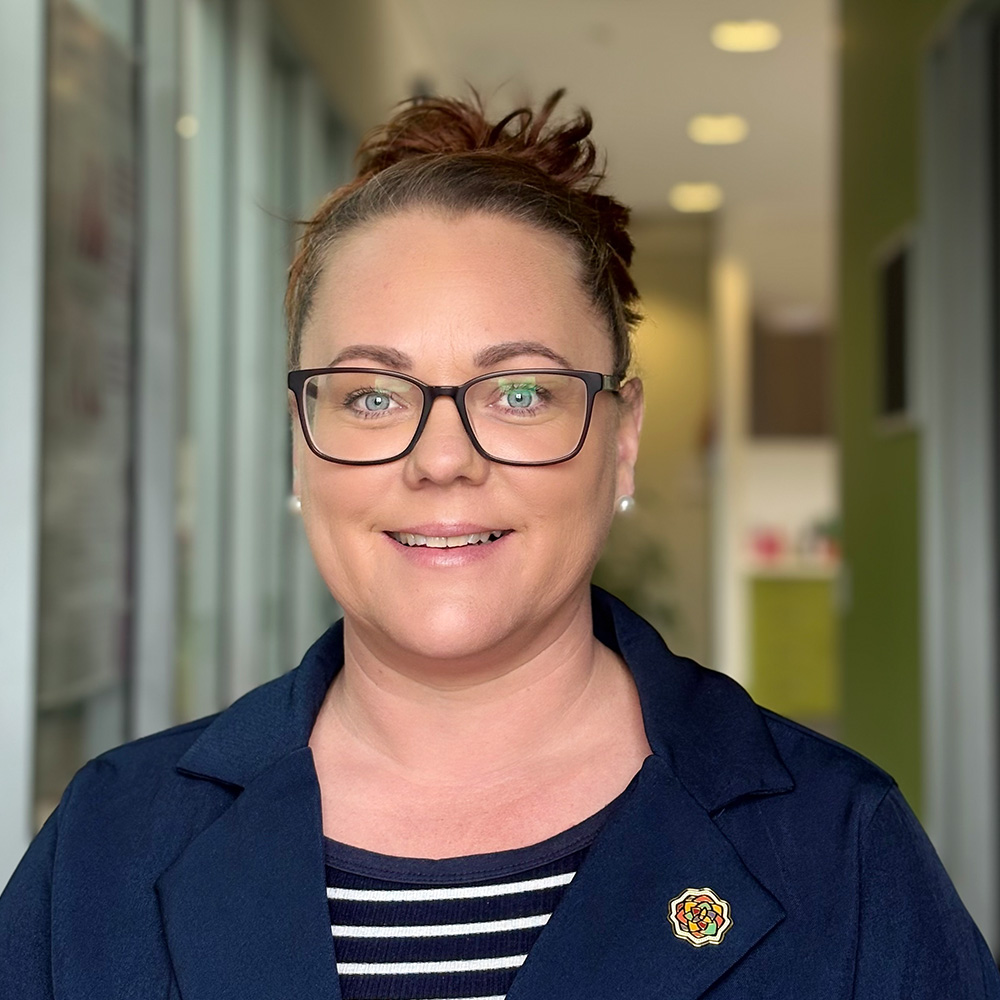
About Jill-Anne Wheeler
Location: Kingaroy, South Burnett, Queensland, Australia
Jill-Anne Wheeler is a passionate advocate for the South Burnett and for building a strong future for rural healthcare. A respected educator and mentor, Jill is based in Kingaroy, Queensland, where she works with Rural Medical Education Australia and holds the academic title of Clinical Teacher with the Griffith University School of Medicine and Dentistry.
Dedicated to strengthening healthcare across rural Australia, Jill advocates for sustainable, community-based health workforce development and champions initiatives that encourage rural communities to “grow their own” healthcare professionals across all disciplines.
Deeply involved in the community, Jill serves as Treasurer of the Kingaroy State High School Agriculture and Cattle Show Subcommittee, Vice President of the Kingaroy Swimming Club, an active member of the Rural Fire Brigade, and a founding advisor to the Red Earth Community Foundation Rural Health Pathways Fund. Like many rural parents, when Jill isn't working or volunteering, she's busy clocking up ridiculous kilometres as an unpaid taxi service for her children.
A brief insight into the South Burnett
One of the strengths of the South Burnett is the strong sense of community support that exists across our towns. However, like many rural communities, we continue to face challenges in attracting and retaining healthcare professionals.
Providing early exposure to healthcare careers, delivering high-quality rural training experiences, and supporting and mentoring health professionals to build long-term careers in rural communities are all part of the solution. When rural communities invest in developing their own future workforce, we can create more sustainable, resilient, and locally connected healthcare systems.
A few words on why you chose to join the Community Reference Group and what the experience means to you
I joined the Community Reference Group because I am passionate about the future of healthcare in rural communities. Rural communities should have a voice in shaping the policies, training pathways, and healthcare services that affect them. Being part of this group provides an opportunity to bring a community perspective to important conversations about rural and remote health, while also learning from people with diverse experiences from across Australia. It is rewarding to contribute to discussions that can help strengthen healthcare access, workforce sustainability, and health outcomes for rural communities.