There are a wide range of supports available for medical students and junior doctors who are keen to begin their journey in rural generalism. These include:
- Australian Primary Care Prevocational Program (APCPP)
- HELP for Rural Doctors
- Australian Medical Association (AMA) Indigenous Medical Scholarship
- Peggy Hunter Memorial Scholarship Scheme (PHMSS)
- Payments and programs through Rural Workforce Agencies in each state and territory
- Rural generalism exposure through Rural Medicine Australia (RMA) scholarships and bursaries.
The program delivers primary care rotations for eligible hospital-based prevocational and junior doctors. Hospitals partner with primary care settings to provide eligible doctors with general practice experience through a clinical training term (rotation) in a primary care setting.
It aims to support doctors to gain experience and opt for general practice or rural generalist careers in areas of community need, and Aboriginal Medical Services (AMS), Distribution Priority Areas (DPA) and rural, regional and remote locations.
Learn more about the APCPP and how to get involved.
The HELP for Rural Doctors initiative gives eligible doctors the opportunity to reduce their outstanding HELP debt if they meet:
- the eligibility criteria
- their obligations to complete the required amount of eligible work in rural, remote or very remote areas of Australia.
For this initiative, areas classified as Modified Monash Model 3 to 7 count as rural, remote or very remote.
Learn more about the initiative, eligibility requirements and how to apply.
The scholarship targets Aboriginal and Torres Strait Islander medical students who demonstrate a commitment to their community and to medicine, and who may not have the financial means to realise their dream.
The value of the scholarship is currently $11,000 per annum, which is awarded for the full course of a medical degree, subject to the conditions of award.
Visit the AMA website to learn about the application process.
The PHMSS provides financial assistance to approximately 100 First Nations undergraduate students annually and aims to:
- improve the capacity and quality of the First Nations’ health workforce
- encourage health professionals to deliver outreach activities in regional, rural, and remote locations
- improve the health outcomes of First Nations people living in regional, rural, and remote locations.
Visit Indigenous Allied Health Australia's website to learn about the application and eligibility process.
Each state and territory has a Rural Workforce Agency dedicated to attracting, recruiting and supporting the health professionals needed in rural and remote communities.
Workforce agencies offer a variety of grant programs, education, scholarships and incentives for health professionals including medical students who require support to live and work in rural and remote locations.
These agencies act as crucial bridges, connecting health professionals with communities, ensuring services remain accessible, and addressing critical gaps in healthcare delivery.
Locate your region's agency and get in touch to learn how they can support you.
What is RMA?
Rural Medicine Australia (RMA) is the peak national event for rural and remote doctors of Australia. Hosted by the Australian College of Rural and Remote Medicine (ACRRM) and the Rural Doctors Association of Australia (RDAA), RMA attracts a diverse and collaborative community of junior doctors, students, educators, academics, and medical practitioners who are passionate about generalist medicine in rural and remote communities.
What volunteer opportunities are available?
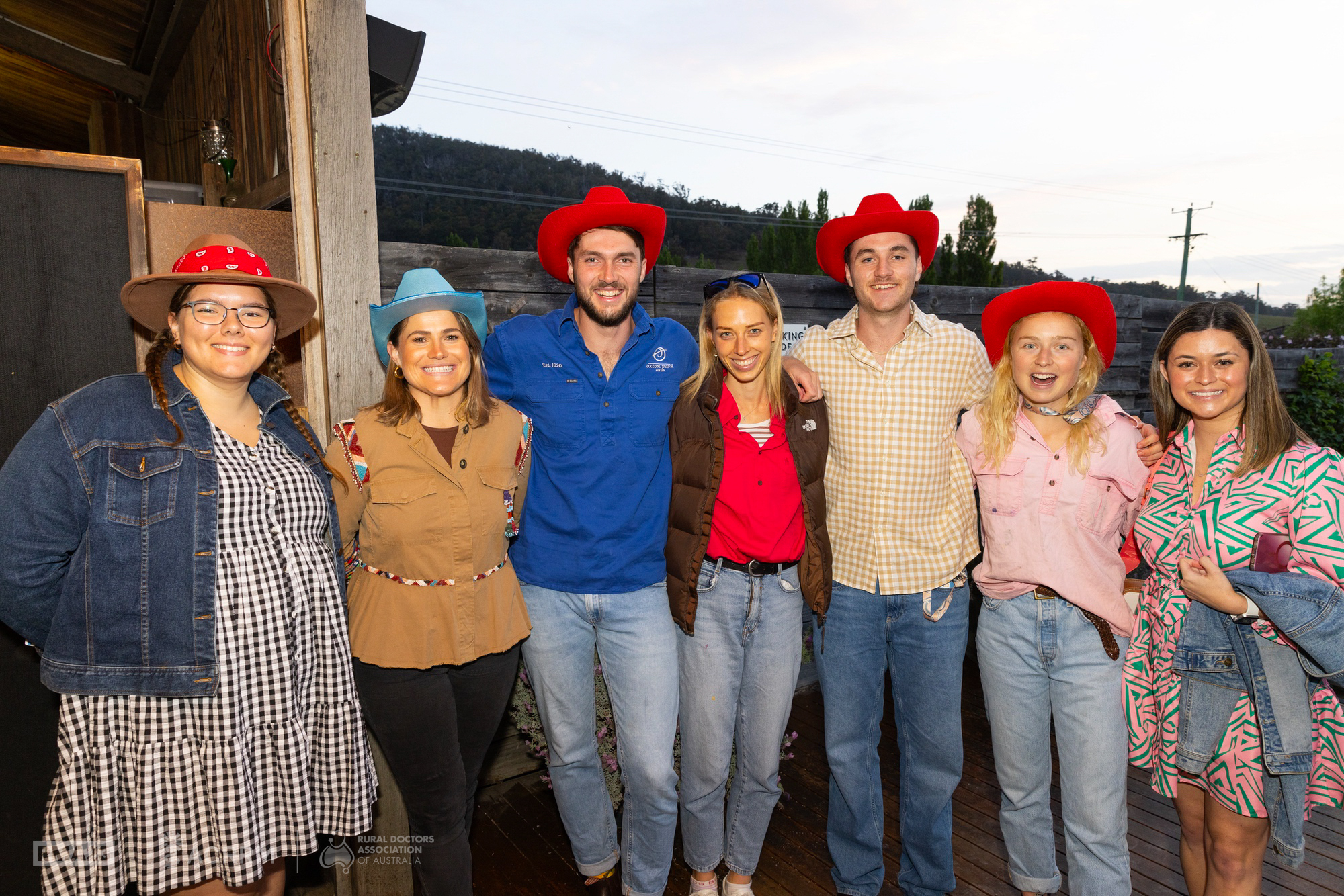
As the future of rural health, we're excited to see a large group of students and interns at RMA each year. With dedicated social events and in-conference sessions, attending RMA offers countless opportunities for our future rural doctors to develop valuable skills, make new connections, be inspired, and network with some of the brightest minds in rural medicine.
Whether you’re interested in volunteering or applying for sponsorship, there are many ways to get involved at RMA.
What to do next?
Become a free student member
As an ACRRM student member you'll be able to access a range of support services for the length of your medical degree.
Join an RG pathway in your state
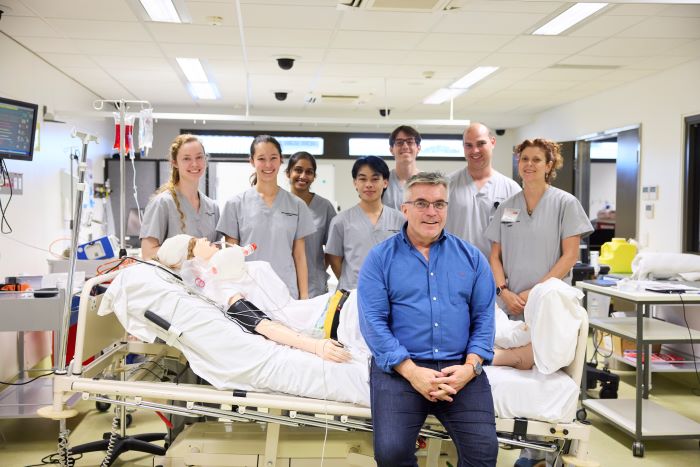
Junior doctors are encouraged to seek state-based Rural Generalist pathways to access rotations in rural primary care.
Plan your placements
For a strong foundation in Rural Generalist Medicine, we recommend seeking a mix of placements and recording them in a logbook to gain recognised prior learning when joining the Fellowship program.
Funding and incentives
24/7 Wellbeing Support
Members experiencing workplace, training, exam, or other stresses or issues impacting your personal wellbeing can call ACRRM's Employee Assistance Program (EAP) for free. Call 1800 818 728 to receive immediate and confidential phone counselling support 24/7 in Australia and overseas.
If you seek non-urgent ACRRM coordinated wellbeing support please email wellbeing@acrrm.org.au.