You are currently on:

"Why I started"
I didn’t arrive at rural medicine in a straight line.
In fact, I almost walked away from my dream entirely.
I had always wanted to become an Obstetrician and Gynaecologist—to care for women at their most vulnerable and most powerful moments. But after three years of trying to enter specialist training, I couldn’t get in. By 2010, I made a difficult decision: I stopped trying.
Instead, I chose to live.
I embraced locum work in emergency medicine, travelling across Australia, chasing experiences, freedom, and a version of life that felt full—even if it wasn’t the one I had imagined. And for a while, it worked.
But something never quite settled.
There was a quiet, persistent pull—an unfinished story.
Then, around 2015, while working in Broken Hill, a locum colleague mentioned the Australian College of Rural and Remote Medicine. Even just hearing the name stopped me in my tracks.
Rural. Remote. Medicine.
It felt like someone had finally put into words everything I believed in.
Here was a pathway that didn’t ask me to abandon my dream—but offered another way to reach it. A way that made sense for the kind of doctor I had already become.
In 2016, I joined ACRRM.
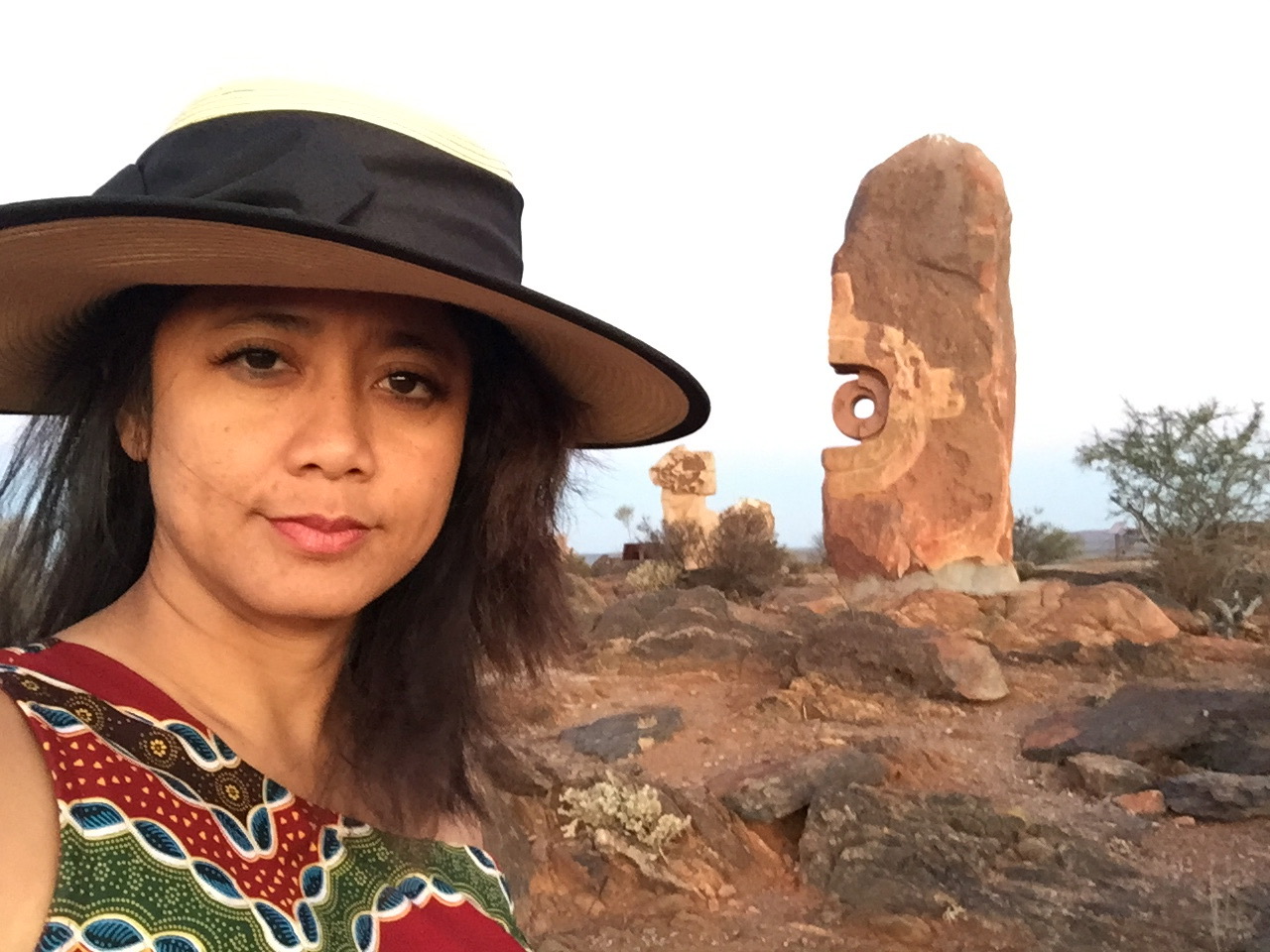
The journey that followed was anything but easy. There were long hours, relentless exams, and moments where I questioned whether I could keep going. I worked towards becoming a procedural Rural Generalist in Obstetrics and Gynaecology, completing Fellowship and Advanced Diploma requirements.
In 2021, I became a Fellow.
That moment wasn’t just the end of training—it was the beginning of the life I had once thought was out of reach.
Today, I choose rural.
I choose to go where others often don’t.
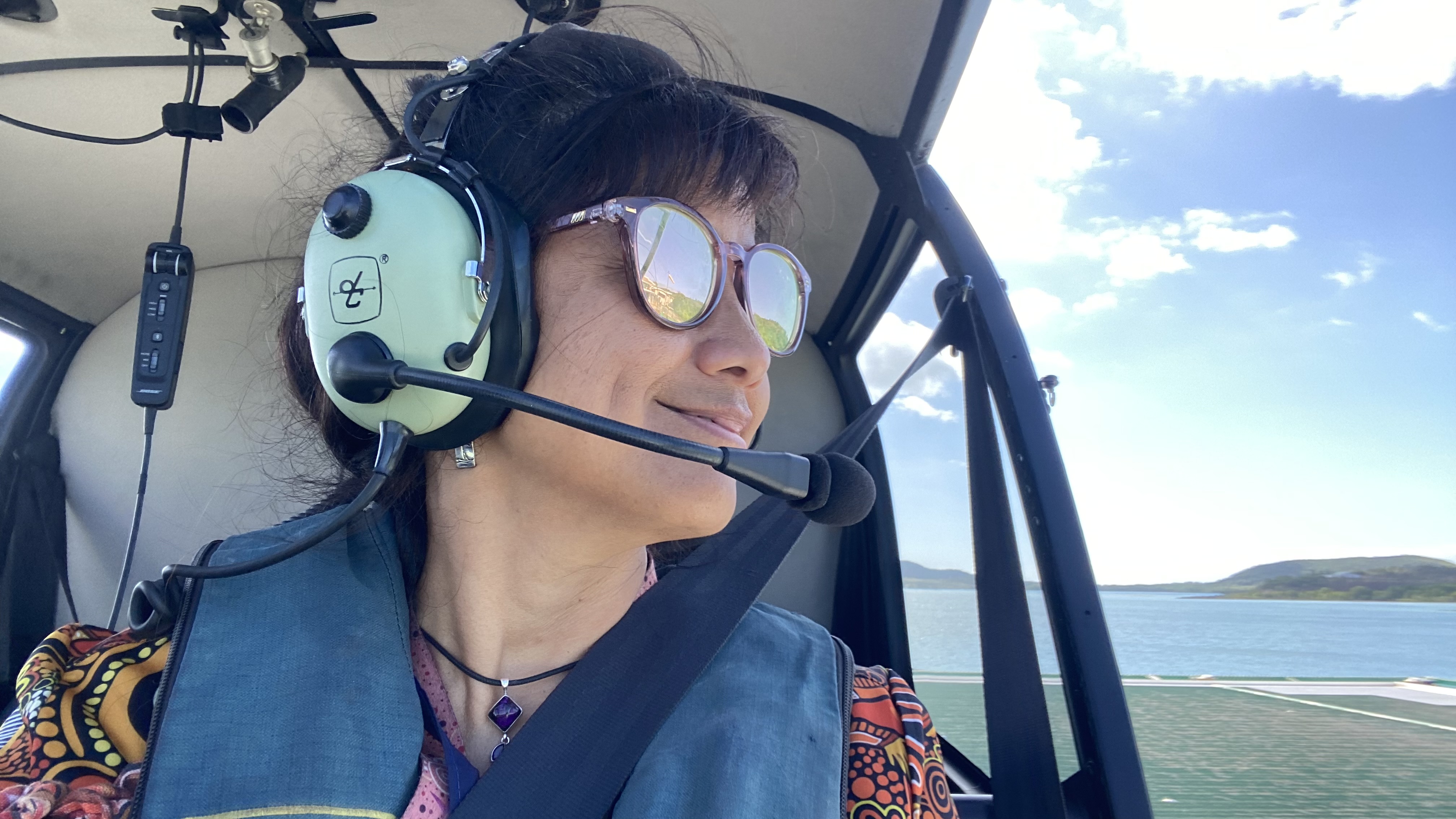
I continue to work as a locum Rural Generalist obstetrician, serving communities in some of the most remote parts of Australia—Gove in Northern Territory, Thursday Island in far north Queensland and Kununurra in Western Australia.
Am I scared?
Absolutely.
I still hear the voice of one of my greatest mentors, Dr Strong, who served Taree NSW community for over 20 years: “Grace, I don’t know how you do it—working in places with limited resources. It must be so stressful doing surgery in the middle of nowhere.”
I’ve also heard voices of doubt—those who questioned whether Rural Generalist obstetrics should even exist.
Back then, I didn’t know how to respond.
Now I do.
We do it because someone has to.
Because rural and remote communities deserve the same standard of care as those in metropolitan centres.
That belief has taken me beyond Australia.
With the support of ACRRM leadership, including then-President Dr Dan Halliday, I had the opportunity to extend Rural Generalist obstetric training internationally through collaboration with Rotary. Using the Rural Emergency Obstetric Training (REOT) model, we began a train-the-trainer program in the Democratic Republic of Congo (DRC).
-training-the-next-generation-of-clinicians-through-reot-building-sustainable-skills-beyond-borders.jpg?sfvrsn=ec4faa83_0 "FACRRM Dr Etwell Mari training the next generation of clinicians through REOT—building sustainable skills beyond borders")
What started as a single initiative has since grown.
In 2024, we trained local trainers in Botswana—who are now independently delivering training across regional parts of the DRC. In 2025, the program expanded to Nepal and the Philippines. And in 2026, we continue to build momentum, with further workshops planned in the Philippines and potentially Tanzania.
This is the power of rural generalism.
It is not just a workforce solution—it is a global movement.
A way of thinking, teaching, and serving that adapts to context, empowers local clinicians, and creates sustainable change where it is needed most.
ACRRM didn’t just give me a qualification.
It gave me my dream back—reimagined, reshaped, and stronger than before.
And if there’s one thing I’ve learned along the way, it’s this:
Don’t give up on your dream.
Because if there’s a will, there is a way.
And whatever you can hold in your mind—you can hold in your hand.
“ACRRM didn’t just give me a qualification. It gave me my dream back—reimagined, reshaped, and stronger than before.”Dr Grace Maano