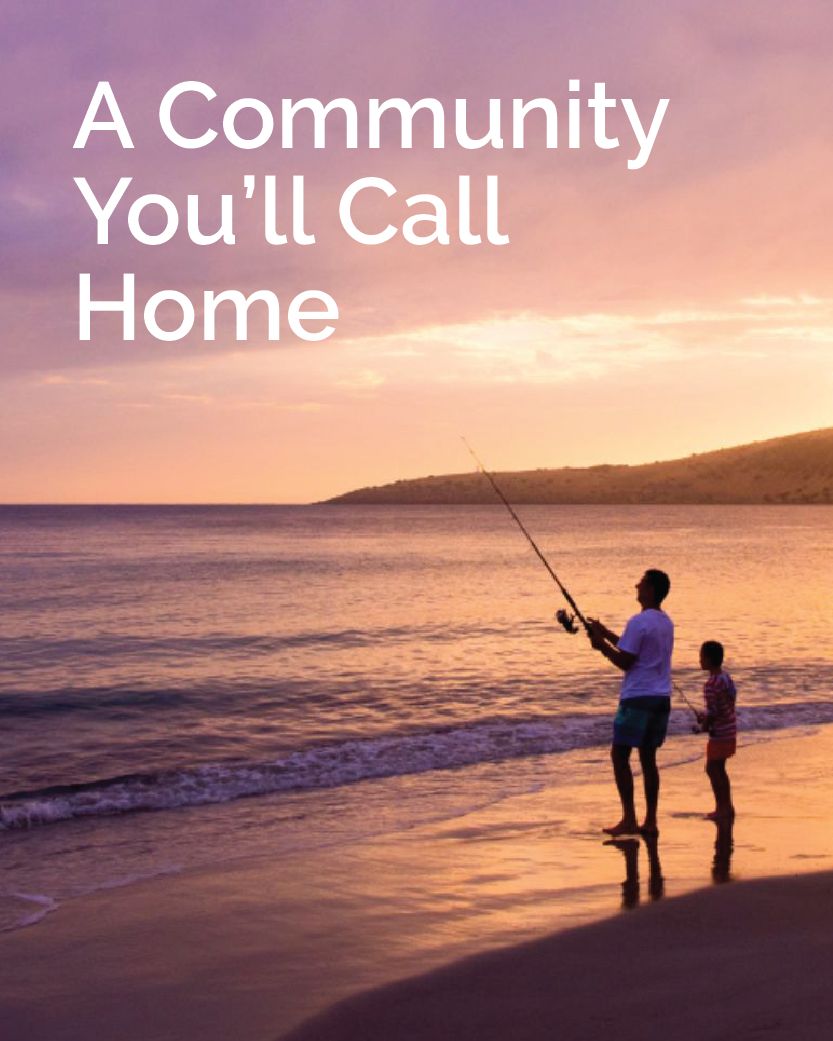
South Australia’s Kangaroo Island is a place defined by community. Remote, rugged and spectacular, it is home to 4,800 people who rely deeply on one another. For many years, Kangaroo Island had a resident GP workforce, however, the Island has more recently grappled with pressures facing many rural and remote healthcare providers: limited workforce supply, long and expensive recruitment cycles, shorter retention period of resident workforce, and stretching resources to provide the continuity of care that people deserve.
As the only practice on the island, the Kangaroo Island Medical Clinic (KIMC) has carried much of the responsibility for healthcare of this community, including medical staffing of the island’s hospital.
With the intent to create a sustainable healthcare delivery for the island, something needed to change. This required acknowledging that the healthcare landscape is evolving, including the modern workforce and priorities that shape it. Flexibility, belonging, and meaningful career pathways are no longer optional - they’re essential.
“At KIMC, they are not just responding to these shifts—we’re leading them. By embracing new realities of workforce expectations and priorities, championing a Rural Generalist (RG) model of care and driving strategic initiatives, the team is building something better”.
What was once a struggle for stability is slowly becoming a story of renewal — grounded by evidence, strengthened by community partnership, and guided by a belief that RGs should be supported not just to work, but to belong.
Two years ago, longstanding local doctor and ACRRM Fellow James Doube and his wife, dentist Cindy Dennis, realised KIMC required a “new normal” if it was to continue delivering health services to the Kangaroo Island community. Until that point, their careers had been defined by movement - different rosters, different places, juggling family life. Embracing ownership of KIMC meant putting down roots with their three children and redefining the future of the practice to create stability beyond themselves, for the community.
At the time, there was just one permanent Fellow. Slowly and deliberately, that number has grown to more than five RGs, plus an increasing number or registrars. This has reduced dependence on locum workforce and increased continuity of care to the community.
For Business Manager Tanya Biddell, who has lived on the island for more than 30 years and worked at the clinic for 20, this shift is both significant and hard-earned. She has watched the fluctuations of the rural medical workforce, felt the strain on the small team, and navigated the complexity of running a practice that works closely with Kingscote Hospital, outreach clinics, and aged care services.
Together, Tanya, Cindy and James knew they needed to rethink how a remote practice attracts and keeps doctors. Traditional recruitment tools weren’t enough. They began with a simple question: What would make a doctor — and their family — choose Kangaroo Island?
The answer wasn’t found in a single solution, but in a series of evidence-based, community-focused initiatives that came together as part of the clinic’s 2025–2027 workforce plan.
One of the most transformative initiatives has been the creation of a childcare service, established due to identified urgent need and the absence of an existing local alternative. KI Medical Clinic offers a childcare service to its team, providing essential support to four families, with additional health workers expressing interest as demand continues to grow. In parallel with this immediate service provision, funding from the ACRRM Community Grants Fund is enabling the clinic to lead a structured project investigating sustainable and replicable childcare models suited to rural and remote communities.
For Cindy, childcare was not an optional extra but a cornerstone of workforce stability - especially where both parents were healthcare providers. If clinicians are to build a life on the island, their families needed support and opportunity. Childcare, she says, is essential infrastructure in rural and remote healthcare.
Practical barriers to travel were another challenge. Discussions began with Angel Flight in 2024 and resulted in a trial transporting medical workforce, in addition to non-urgent patient transfers, between the mainland and Kangaroo Island. This included GP’s leaving KI for essential training and various specialists visiting the island for clinics and theatre. ACRRM Rural Generalist Dr Erin O’Halloran is one of those who uses the service. A trip that once involved a long drive and a ferry crossing, or an unsuitably timed commercial flight, is now a 30-minute flight, allowing her to maintain her career and support the community without sacrificing connection to family living on the mainland. Similarly, this service has made specialist outreach clinics and additional short locum coverage feasible where it was otherwise completely impracticable.
KIMC is committed to building a sustainable and highly skilled rural workforce through its ongoing support of ACRRM registrar training. As part of this commitment, we have implemented the Skilled Workforce Pathway Project, a structured initiative developed using feedback from current and past clinicians to ensure it is fit for future workforce needs.
The project aims to provide Rural Generalist registrars with comprehensive clinical exposure in a remote environment, supported by formal education, supervision, and professional mentorship. This integrated approach to training will be embedded into KIMC to enable registrars to develop capability, confidence, and continuity within the rural general practice setting. We see this as one way to build a reliable long‑term pipeline of clinicians who are well‑prepared for the complexities and opportunities of rural medicine.
Another ACRRM RG, Dr Kyle Fairclough, relocated to Kangaroo Island with his young family and completed his fellowship. They came for a year and stayed for six.
“When I reflect on why I wanted to be a Rural Generalist, it’s simple,” he says. “I didn’t want to treat hearts or livers or bones — I wanted to treat people. Using my skills in Kangaroo Island has allowed me to truly be part of a community and help people live healthier lives.”
Workforce sustainability isn’t just about recruitment—it’s about retention and professional growth. KIMC provides robust clinical support through experienced senior clinicians, visiting specialists, and collaborative partnerships with Kingscote Hospital. This integrated model provides doctors access to mentorship, peer support, and specialist input, enabling them to deliver high-quality care across general practice, anaesthetics, emergency and inpatient medicine.
The clinic has also introduced a ‘local connector’ role to help new arrivals navigate non-work related queries like housing, schools, partner employment, and finding social connections. Inspired by Dr Cath Cosgrave’s research-based Attract Connect Stay2 model, we adopt the belief that belonging is as important as professional support. In a region like Kangaroo Island, these early relationships are often what turn a short-term placement into a long-term home. It is that sense of connection that KIMC hopes to foster in every new clinician.
Through these various initiatives, the clinic now has a team of 12, many of whom provide anaesthetics, surgery, and emergency care across both the clinic and Kingscote Hospital. A focus on training, systems development and clinical support ensures the practice is not only attracting doctors but enabling them to thrive.
For Cindy and Tanya, the progress is encouraging — but they are clear there is more to do.
“The Skilled Workforce Pathway Project is supported by data so we know what is working and what is not.
“ Despite ongoing challenges, the foundations are stronger than they have been in years,” Cindy says.
What is emerging is a story of a community and a clinic investing in one another. A practice forced to rely on short-term fixes is now building a future rooted in strategy, stability, connection and care. And at its centre are people — RGs who want to belong, families building new lives, and a community that values the relationships that sustain its health.