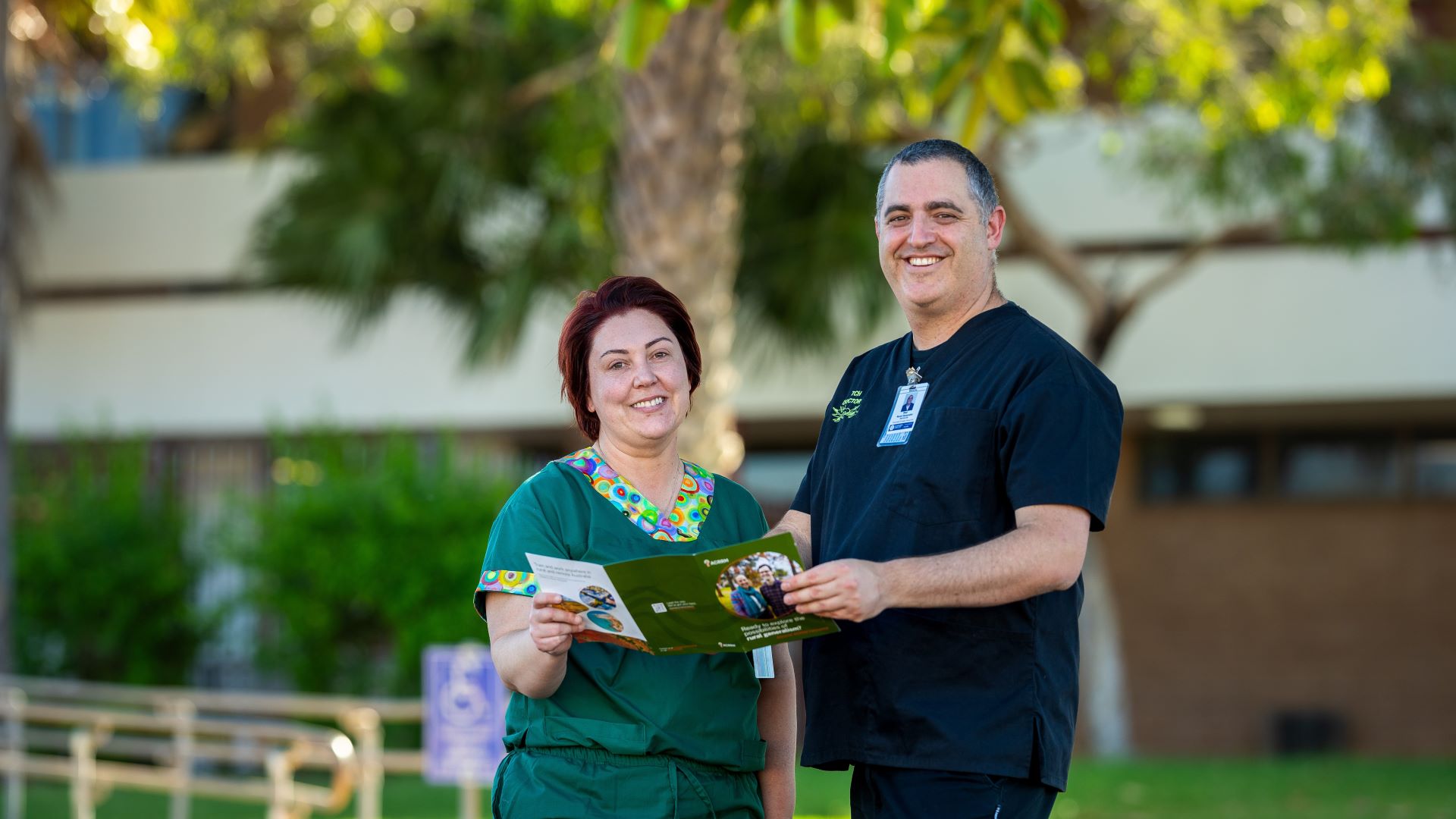
Rural medicine can demand someone who; is able to step into an emergency at a moment's notice, support a patient through a complex chronic condition, and then pivot to a maternity case, all in the same shift, in the same small clinic, often without a nearby specialist. It's a career shift defined by adaptability, resilience, and genuine commitment to communities that need consistent, capable care.
Yet for all the breadth that rural and remote practice requires, there's a dimension of the ACRRM Fellowship that provides future Rural Generalists the opportunity to go deep, not just wide. That's exactly what Advanced Specialised Training (AST) is designed to offer.
What is Advanced Specialised Training (AST)?
Advanced Specialised Training is a 12-24 month, training component embedded within the ACRRM Rural Generalist Fellowship program. Completing AST is a requirement for achieving Fellowship; it sits alongside three years of Core Generalist Training (CGT) to form the four-year pathway to Rural Generalist specialist registration.
Where CGT builds the broad, foundational competencies every Rural Generalist needs across primary care, emergency medicine, and hospital settings, AST allows you to choose a specific discipline and develop further depth in one area. It can begin as early as postgraduate year three (PGY3), meaning registrars don't have to wait until the final stretch of the Fellowship to start building their skills.
AST doesn't pull you away from rural and remote practice; it sharpens the skills that make you indispensable within it. The skills you develop are chosen with your community in mind, filling real service gaps and making you a more capable, confident clinician in the settings where you already work.
The 12 AST disciplines
One of the most compelling aspects of the AST offering is the breadth of disciplines available. ACRRM currently offers 12 specialised training areas, each mapped to genuine community health priorities across regional, rural, and remote Australia:
- Aboriginal and Torres Strait Islander Health – Equip yourself to address the health disparities facing First Nations communities by delivering care that is both clinically strong and genuinely culturally safe.
- Academic Practice – Step into the role of educator and researcher, contributing to the training organisations and medical knowledge that shape the future of rural and remote healthcare.
- Adult Internal Medicine – Build advanced capability in managing complex, multi-system medical conditions across both hospital wards and community-based practice. Closest AST to a physician.
- Anaesthesia – Develop the procedural confidence to safely deliver anaesthetic care for surgical and emergency procedures in settings where specialist backup is often hours away.
- Emergency Medicine – Gain the expertise to deliver critical care when every second counts, from pre-hospital response through to emergency department management across diverse and demanding rural settings.
- Mental Health – Develop advanced skills in assessing and managing complex psychiatric and psychological conditions in communities where mental health support is often most scarce.
- Obstetrics and Gynaecology – Strengthen your skills in maternity and women's reproductive health, often becoming the primary point of care for families in regions without nearby specialist obstetric services.
- Paediatrics – Advance your ability to assess and manage the health of children and adolescents in settings where paediatric specialists are rarely, if ever, accessible.
- Palliative Care – Develop the clinical and interpersonal skills to support patients and families through end-of-life care, close to home and in the community they know.
- Population Health – Take a wider lens on health by addressing the systemic, preventive, and environmental factors that shape health outcomes across entire rural communities.
- Remote Medicine – Hone your practice specifically for Australia's most isolated communities, where self-reliance, adaptability, and broad clinical capability are non-negotiable.
- Surgery – A dedicated 24-month pathway that builds the advanced surgical skills needed to provide operative care in rural hospitals where access to visiting surgeons can be limited.
This range means you're not choosing a discipline at random, you're selecting one that reflects your clinical interests, your geographic context, and the specific needs of the community you serve.
Where are ASTs delivered?
Most AST training posts are in Modified Monash Model (MMM) 2–7 locations; that is, across regional, rural, and remote areas of Australia, ensuring that the training happens where it's actually needed. Posts can be in hospital, general practice, or non-general practice community settings, depending on the discipline. Under some circumstances, training may be undertaken in an MMM1 location.
For certain advanced skills, this training is delivered in partnership with the relevant specialist colleges; for example, Obstetrics and Gynaecology is delivered by RANZCOG, and Anaesthesia is delivered by ANZCA.
Why having advanced skills is important
There's a common misconception that pursuing a skill means narrowing your scope. In rural and remote practice, it works the other way.
When you complete an AST in Emergency Medicine, you become the clinician who can stabilise a critically unwell patient for hours before retrieval services arrive. When your AST is in Obstetrics and Gynaecology, you are the reason a regional community has access to maternity care. When you choose Mental Health, you are addressing a need that is pervasive across rural Australia and chronically under-resourced.
Beyond the clinical impact, Rural Generalists with advanced skills play a critical role in building the broader workforce. An AST-trained doctor can supervise and assess other registrars working toward their own Fellowship, creating a multiplier effect, meaning more skilled clinicians training more skilled clinicians, all within the communities that need them most. AST is designed explicitly around this goal, which is to increase the number of highly skilled Rural Generalists who can then train others in place.
The rural health workforce gap in Australia is real and growing. Research projects this gap will widen significantly over the next two decades without sustained investment in rural training pathways. Advanced Specialised Training is one of the most practical, community-grounded responses to that challenge. It doesn't just produce better individual doctors; it strengthens the entire regional health system.
Choosing the right discipline for you
Selecting your AST discipline is one of the most significant decisions in your Fellowship journey. So, we have put together the most frequently asked questions:
What does your community need?
Talk to your local health service, hospital, or GP network about the most pressing clinical gaps in your area. The National Rural Generalist Pathway is built around placing the right doctors with the right skills in the right communities, your AST choice should reflect that same intent.
Where do your clinical interests naturally sit?
The best AST experiences tend to align both community need and personal motivation. You'll be spending 12 months deepening your skills in a specific discipline, so genuine interest matters. Browse the full list of AST disciplines to get a feel for where your strengths and curiosity naturally lead.
What are the supervision and accreditation opportunities in your region?
Some disciplines have stronger training infrastructure in certain states and territories, which may shape both your placement options and the quality of your training experience. ACRRM's Regional Training Network provides state-based teams who can help you identify accredited posts and supervisors available in your area.
Taking the next step
Rural communities across Australia deserve doctors who are not just present, but prepared. Advanced Specialised Training is how Rural Generalists get there, a structured, supported, and genuinely meaningful year of focused clinical development that makes you a stronger doctor, a more capable colleague, and a more valuable asset to the communities you call home.
Explore your AST options and find the right discipline for you.