In rural and remote communities across Australia, medical emergencies can look very different from those in major hospitals. With long distances between healthcare services and limited local resources, doctors often need to stabilise critically unwell patients for extended periods before specialist support or retrieval teams can arrive.
This is where Rural Generalists play a vital role:
-
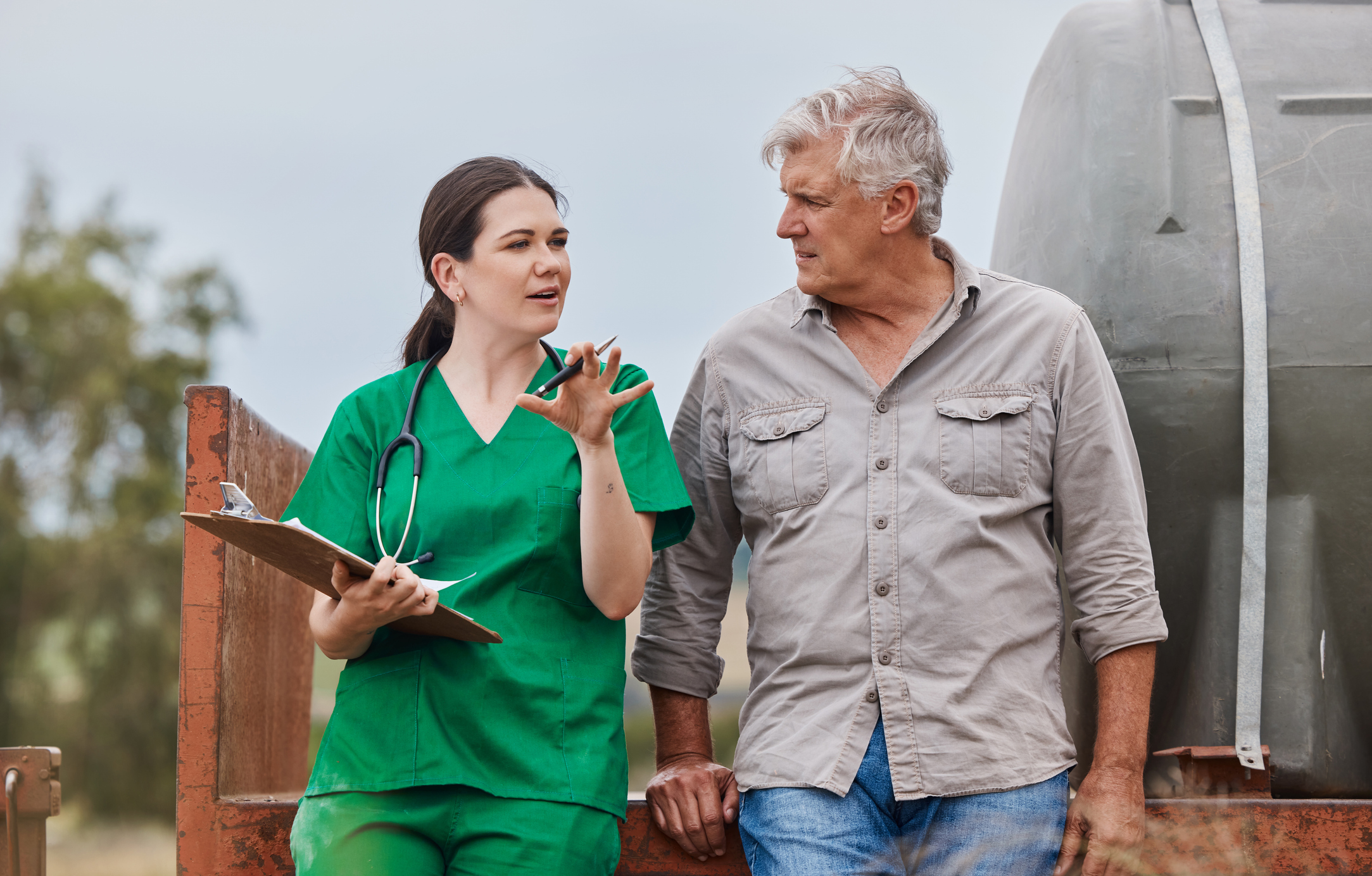
Rural Generalists are trained to provide broad clinical care across multiple disciplines, allowing them to respond to a wide range of emergencies within their communities. From trauma and cardiac events to obstetric emergencies and severe infections, these doctors often manage complex situations while coordinating with emergency services and regional hospitals.
-
Understanding how Rural Generalists manage emergency care helps highlight both the challenges and the specialised training required to work in these environments.
What does a Rural Generalist do in an emergency?
Rural Generalists are multi skilled doctors trained to manage a wide variety of medical emergencies, they must be prepared to respond to whatever comes through the door.
In many rural and remote communities, they act as the first point of care when a patient presents with a life-threatening condition.
Their role often involves:
-
Rapid assessment of patients presenting with medical emergencies
-
Performing lifesaving procedures such as airway management and resuscitation
-
Managing trauma, infections, and obstetric complications
-
Coordinating with paramedics, retrieval teams and air ambulance services
-
Stabilising patients before transfer to larger hospitals when necessary
Because specialist services may be hours away, Rural Generalists must often manage critically unwell patients for extended periods using the resources available locally.
Dr Sophie Collins, an ACRRM registrar who undertook emergency medicine placements in the remote First Nations community of Mutitjulu in the Northern Territory, describes the reality of practising in isolated settings:
“The isolation of the community means that every tool matters. It’s about making the best use of what we have and being creative with how we deliver care.”
Her experience reflects the adaptability required of doctors working in rural emergency medicine.
The Unique Rewards of Rural Emergency Medicine
Emergency care in rural settings offers a highly dynamic and fulfilling environment. It empowers doctors to use their full skillset and make vital, life-saving decisions in unique settings that offer a refreshing alternative to traditional metropolitan hospitals.
Some of the most engaging aspects of this field include:
-
Deep Community Connectivity Because rural communities are located away from major metropolitan centers, Rural Generalists get the opportunity to take true ownership of patient care. They become highly skilled at stabilizing patients during emergencies and work closely and collaboratively with expert retrieval teams.
-
Resourceful and Adaptable Practice Working in smaller facilities hones a doctor's clinical acumen. Rather than relying solely on endless diagnostic tools, rural practitioners develop outstanding clinical skills. They learn to adapt creatively, prioritize effectively, and deliver excellent care using the resources at hand.
-
A Diverse and Engaging Workload Every day brings something new. Rural doctors enjoy a rich, varied practice, seamlessly transitioning between routine continuous care and fast-paced emergency cases. This variety builds exceptional clinical judgment, resilience, and keeps the work incredibly engaging.
-
Strong Connection and Support Networks While they may be geographically further from major hospitals, rural practitioners are part of a tight-knit professional family. Structured training programs dedicated mentoring networks, and highly supportive professional communities ensure doctors are well-connected and backed throughout their careers.
Ultimately, doctors are drawn to rural medicine for the unparalleled opportunity to practice medicine in its broadest form, making a profound, direct, and highly visible impact on the health and wellbeing of their communities.
How can Rural Generalists prepare for an emergency situation?
Managing emergencies in remote environments requires specialised preparation. Rural Generalists undertake additional training that focuses on practical skills, decision making under pressure and working effectively with limited resources.
One example is the Pre Hospital Emergency Care (PHEC) course offered through ACRRM. This program helps doctors develop the skills required to manage emergencies outside traditional hospital settings.
Dr Tim Leeuwenburg, a facilitator of the PHEC course, explains the importance of this training:
“The PHEC course is designed to enable Rural Generalists to learn skills in pre hospital care and translate their existing clinical knowledge to the roadside.
We’ve had bushfires, we’ve had floods, and we’ll face disasters in the future. Having Rural Generalists with skills in emergency medicine can make a huge difference.”
Training programs like PHEC focus on preparing doctors for real world emergencies where quick thinking and practical skills are essential.
Participants develop experience in areas such as:
-
Airway management in difficult environments
-
Trauma care and patient stabilisation
-
Patient extrication and preparation for transport
-
Procedural sedation and analgesia in prehospital settings
-
Managing emergencies prior to retrieval or hospital transfer
This training helps ensure Rural Generalists can respond confidently when emergencies occur in unpredictable environments.
Working with emergency services in rural communities
Emergency care in rural areas relies heavily on collaboration between healthcare professionals and emergency services.
Rural Generalists frequently work alongside paramedics, ambulance crews, and aeromedical retrieval teams to ensure patients receive appropriate care as quickly as possible.
In these situations, clear communication and coordinated planning are essential. Doctors assess the patient, stabilise their condition, and work closely with retrieval teams to prepare for safe transport to larger facilities when needed.
These partnerships play a crucial role in ensuring that patients in isolated communities still receive timely access to advanced medical care.
Considering a career as a Rural Generalist
For doctors interested in practising across a broad scope of medicine, rural generalism offers a unique and rewarding career path.
Working in rural and remote communities allows doctors to develop strong clinical independence while building meaningful relationships with the communities they serve.
Doctors considering this pathway should be prepared for:
-
Managing a wide variety of medical situations
-
Making critical decisions with limited resources
-
Continuing to develop skills through training and professional development
Through structured training programs, mentoring, and professional support, ACRRM helps doctors develop the capabilities required to practise confidently in rural and remote environments.
For those seeking a career that combines emergency medicine, community healthcare and clinical versatility, becaoming a Rural Generalist offers the opportunity to make a meaningful difference.